How Growing Zone 8a Impacts Flower Timing in Western Washington
If you grow flowers in Western Washington, you’ve likely noticed that timing here feels… different. Spring comes slowly, summers arrive late but stretch long, and fall can linger right up until the first hard frost. That rhythm is largely shaped by our USDA Growing Zone: 8a.
Understanding how Zone 8a affects flower timing can help set realistic expectations—whether you’re a home gardener, a florist, or a customer wondering why certain flowers aren’t available yet. In Western Washington, success comes from working with the climate, not forcing it.
What Growing Zone 8a Really Means
Growing zones are based on average annual minimum winter temperatures, not summer heat or rainfall. Zone 8a means our typical winter lows fall between 10–15°F. On paper, this suggests a relatively mild climate—and in many ways, it is.
But growing flowers in Western Washington isn’t just about winter cold. It’s about cool springs, heavy moisture, cloud cover, and day length. Zone 8a tells us what can survive the winter, but it doesn’t tell the whole story of when flowers will bloom.
Why Spring Feels Late in Western Washington
One of the biggest surprises for new growers in Zone 8a is how slow spring can feel. While winter temperatures are mild, our soils stay cold and saturated well into March and April. Combined with frequent cloud cover, plants take longer to wake up.
Many flowers that technically survive winter—like sweet peas, ranunculus, or hardy annuals(think snapdragons)—may sit quietly for weeks before showing real growth. This is why Western Washington flower farms often harvest spring blooms later than warmer Zone 8 regions elsewhere in the country.
In practice, this means that although we may overwinter plants successfully, flower timing is delayed, not accelerated.
The Role of Day Length in Flower Timing
Day length is one of the most underestimated factors in PNW flower farming. By late spring and early summer, Western Washington experiences incredibly long days—often more than 16 hours of light.
Once plants finally get enough warmth, this extended daylight triggers rapid growth and flowering. Crops that seemed stalled in April can suddenly explode in May and June. This is why late spring in the PNW feels so lush and abundant all at once.
Zone 8a allows plants to survive the winter, but day length determines when they actually perform.
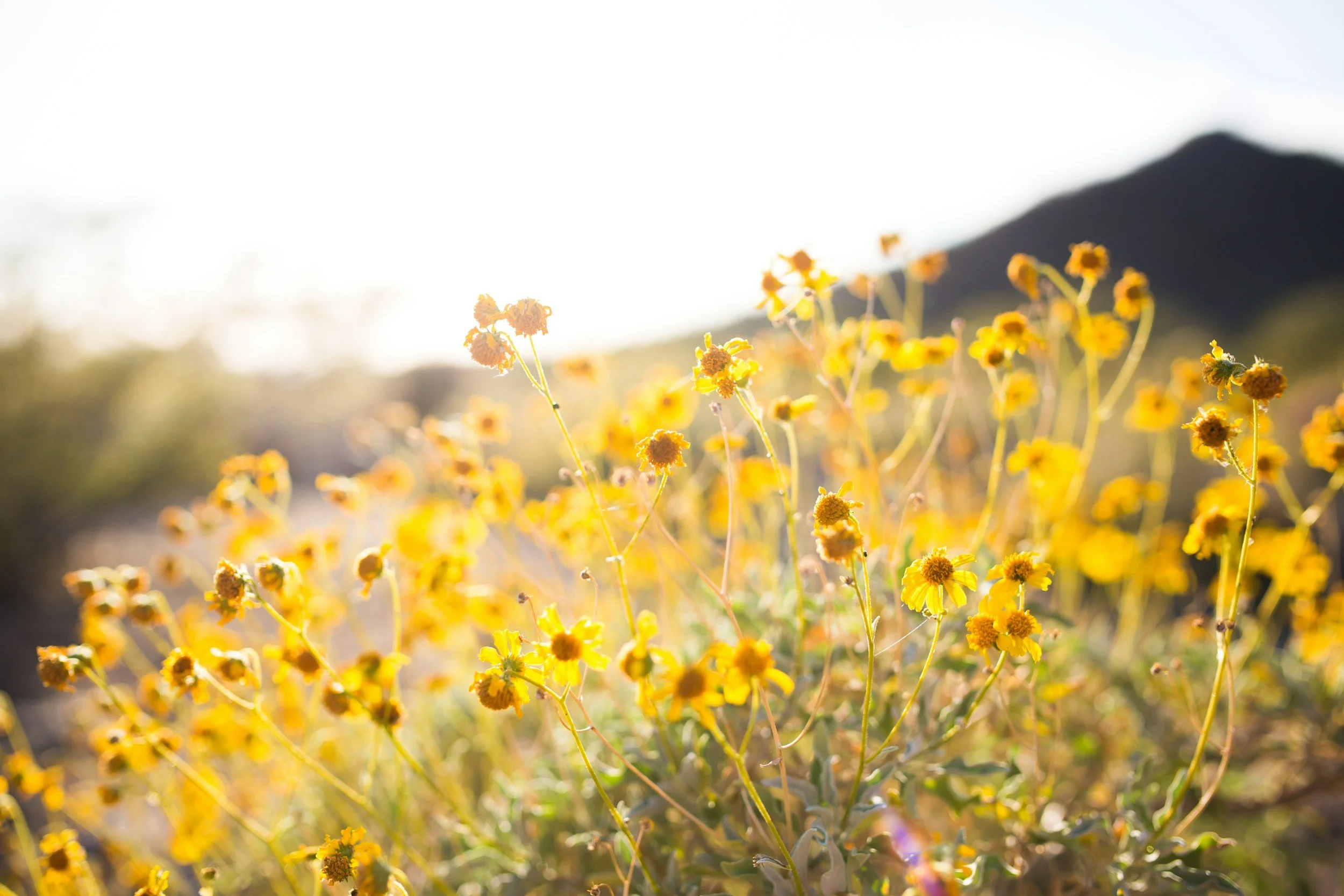
Summer Solstice
Summer: Late Start, Long Production
Summer flowers in Western Washington often start later than expected. Heat-loving crops like zinnias, cosmos, and sunflowers may not hit their stride until July. However, once they do, they often outperform the same flowers grown in hotter climates.
Our moderate summer temperatures reduce stress on plants, allowing for strong stems, vibrant color, and excellent vase life. Many summer annuals continue producing well into September because they aren’t exhausted by extreme heat.
This extended, steady production is one of the quiet advantages of growing flowers in Zone 8a.
Fall Flowers and the First Frost Question
Fall in Western Washington is famously unpredictable. Zone 8a suggests relatively late frosts, but the timing can vary dramatically year to year. Some seasons allow dahlias and asters to bloom into October, while others end abruptly with an early cold snap.
Because of this, flower farmers plan fall crops conservatively. We enjoy the long shoulder season when it comes, but we don’t count on it. Zone 8a offers potential, not guarantees. We have seen frost as early as mid October and as late as Christmas.
This variability is why certain fall flowers feel fleeting—they are truly dependent on the year’s weather pattern.
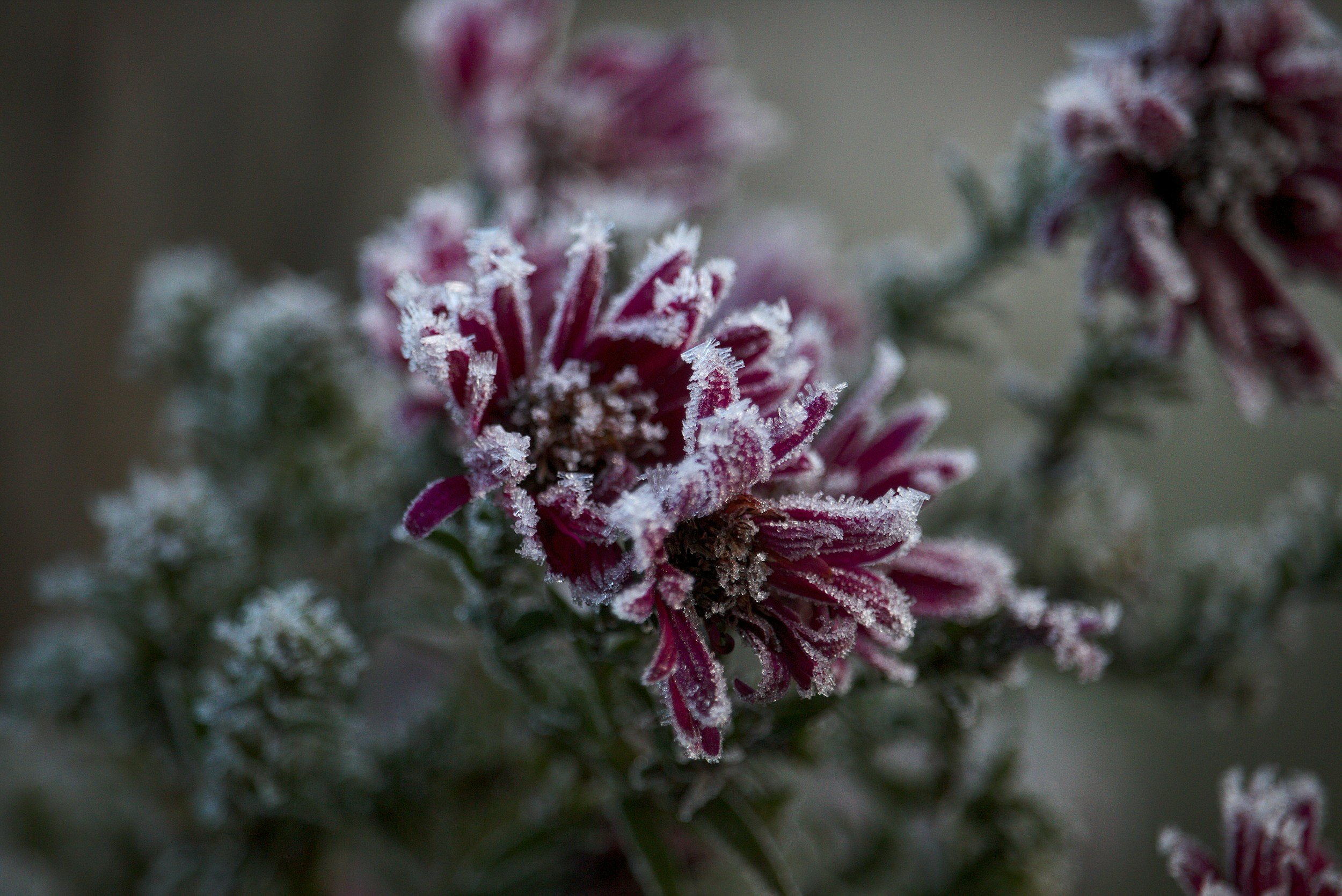
Frostmas
Why Flower Timing in Zone 8a Isn’t the Same Everywhere
It’s important to note that Zone 8a in Western Washington is not the same as Zone 8a in the South or Midwest. Our maritime climate brings higher humidity, cooler nights, and far less summer heat.
Two growers in the same zone can experience very different bloom timelines depending on:
Proximity to the coast
Elevation
Soil drainage
Sun exposure
Zone 8a is a starting point, not a calendar.
How Flower Farmers Adapt to Zone 8a
Successful Western Washington flower farms learn to:
Be patient in spring
Protect plants from excess moisture rather than cold
Time plantings for daylight, not just temperature
Embrace later but longer harvest windows
Rather than rushing the season, we plan for it to unfold naturally—often all at once.
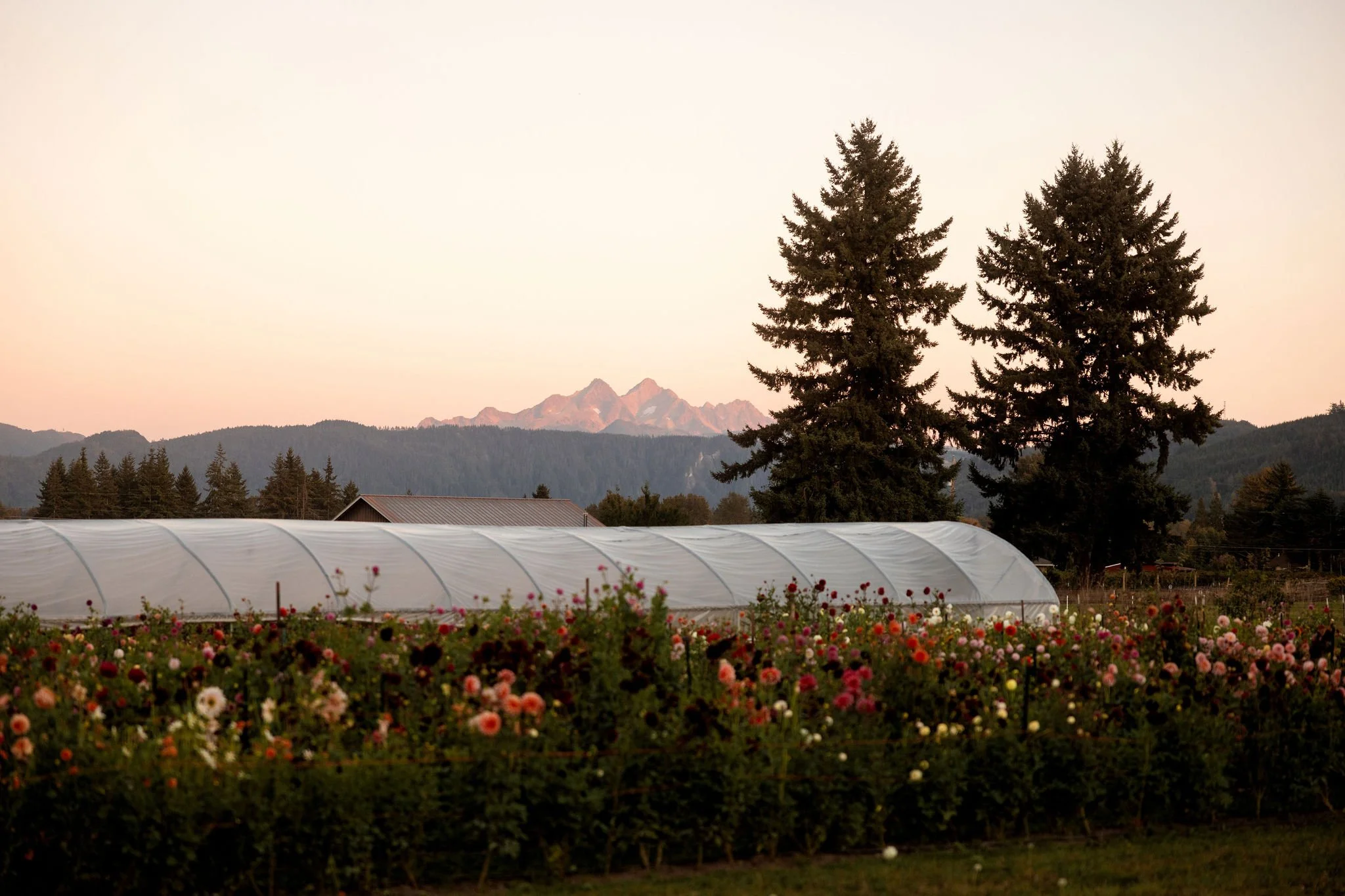
Farm late fall
Growing flowers in Zone 8a requires trust in timing that can’t be rushed. The reward is flowers that are deeply rooted in place—shaped by cool mornings, long days, and the steady pace of the Pacific Northwest.
When flowers bloom here, they do so fully, honestly, and in their own time.