Seed Starting Made Simple: When to Start Seeds for Strong, Healthy Plants
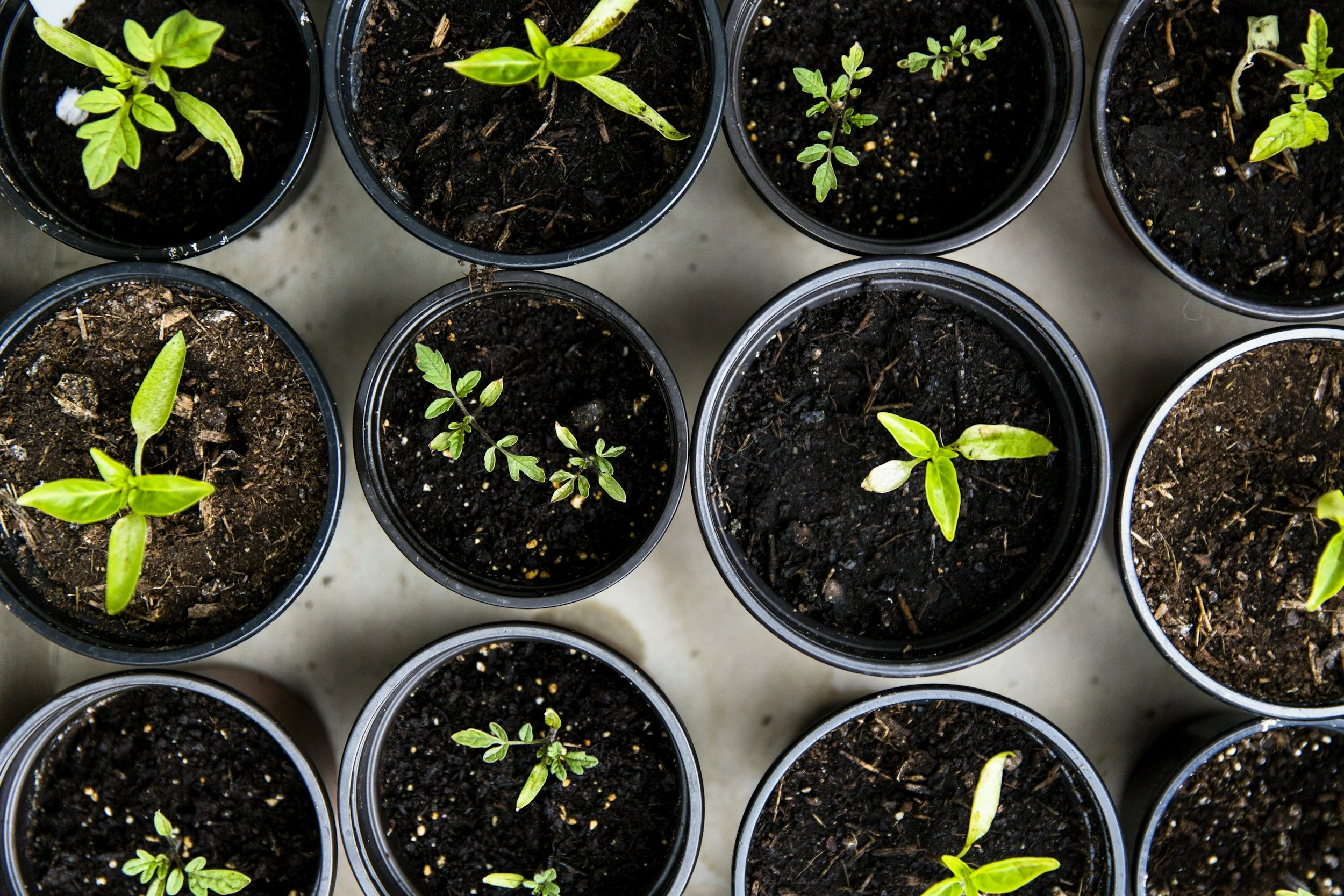
Seed starting is one of the most exciting parts of growing flowers—and one of the easiest places to go wrong. Start too early and plants become weak and leggy. Start too late and you miss peak bloom windows.
The key to successful seed starting isn’t following a generic calendar. It’s understanding frost dates, daylight, and plant needs, and then timing your seeds accordingly.
This guide breaks down when to start seeds so you can grow healthier plants, no matter where you garden.
What “When to Start Seeds” Really Depends On
Seed-starting timing is influenced by three main factors: your last frost date, available light, and whether a plant prefers cool or warm conditions.
Seed packets provide general guidance, but those recommendations assume average conditions. Real success comes from adjusting timing to match your environment rather than racing the season.
Understanding Your Last Frost Date
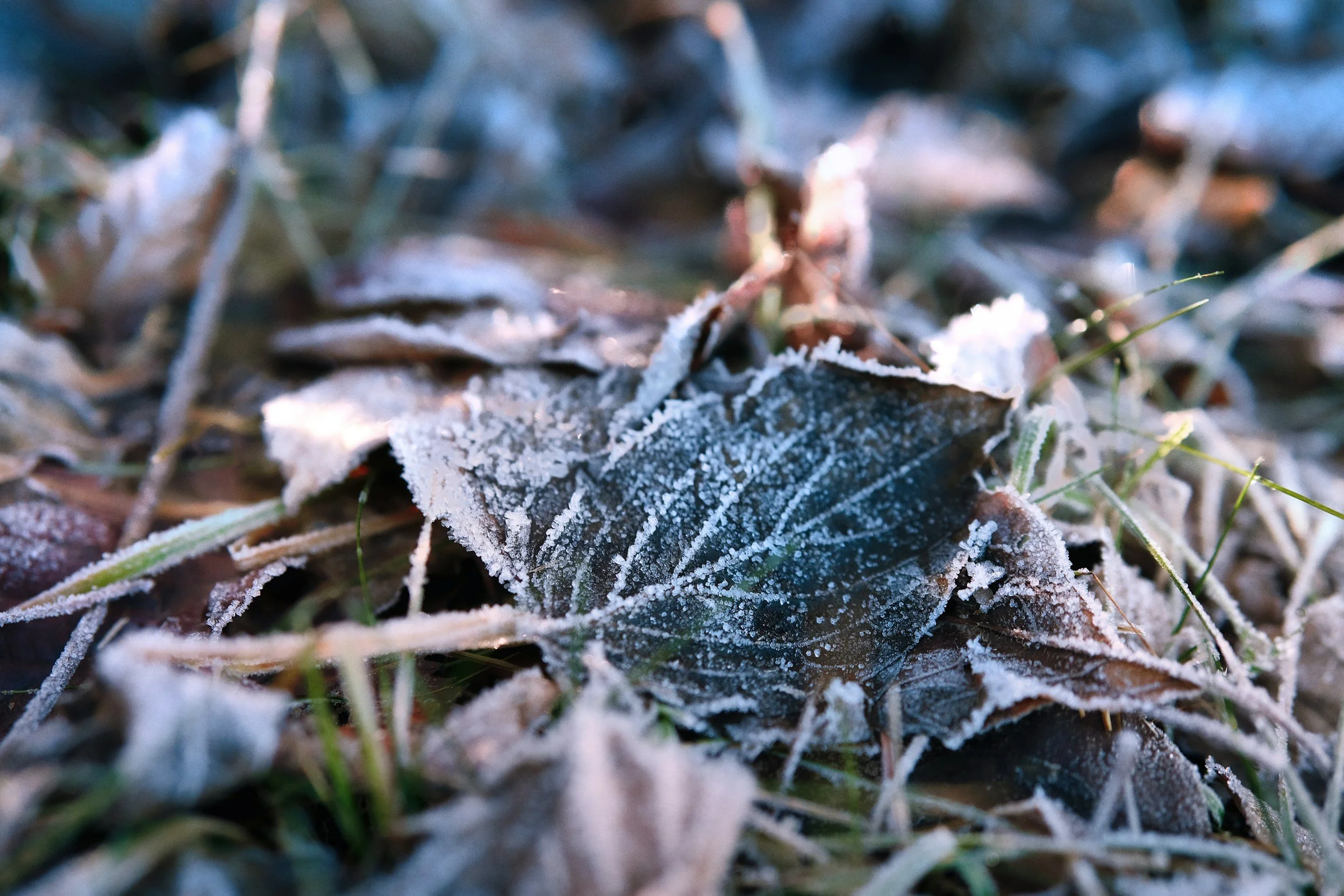
Your average last frost date is the most important reference point for seed starting. It marks when tender plants can usually be planted outdoors without frost damage.
Most seed-starting instructions work backward from this date. For example, if a seed packet says to start seeds six weeks before last frost, you count backward six weeks from that date to determine when to sow indoors. For us in zone 8a we work backwards from April 15th.
Frost dates are averages, not guarantees, but they provide a reliable framework for planning.
Starting Seeds Indoors
Indoor seed starting allows you to control temperature and moisture while young plants establish strong roots. However, starting seeds too early—before sufficient light is available—often leads to weak growth.
Most cool-season flowers and vegetables do best when started six to eight weeks before last frost. Warm-season plants usually perform better when started four to six weeks before last frost, once light levels are stronger.
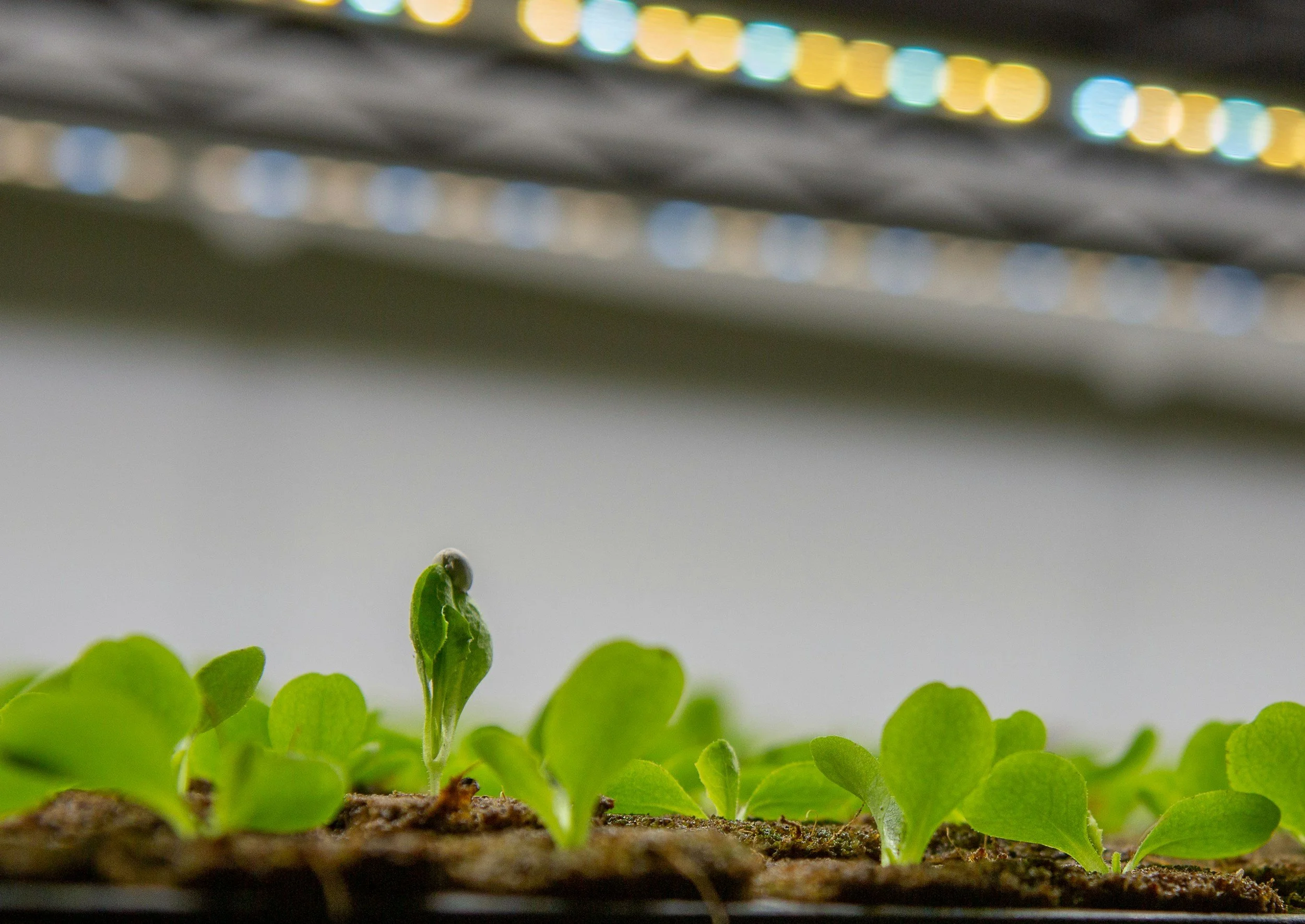
Earlier sowing is possible, but only if plants receive adequate light, airflow, and space to grow. We start seeds in February using a large number of 4 foot long grow lights
Direct Sowing Seeds Outdoors
Not all seeds need to be started indoors. Many plants prefer to be sown directly into the soil once conditions are right.
Cold-tolerant plants can often be direct sown in early spring, even when nights are still cool. These plants typically develop deeper root systems and adjust more easily to outdoor conditions.
Direct sowing reduces transplant stress and can result in sturdier plants when soil moisture and drainage are managed well.
Why Light Matters as Much as Temperature
Light is one of the most overlooked factors in seed starting. Seeds may germinate in low light, but seedlings require strong, consistent light to grow properly.
Without enough light, plants stretch toward the source, becoming tall and weak. This is why many gardeners find that seeds started later often outperform those started earlier unless growing lights are being used.
Healthy growth depends on timing seed starts with increasing daylight, not just warm temperatures.
Soil Temperature and Moisture
Seeds respond to soil temperature as much as air temperature. Even if the weather feels mild, cold soil can slow germination and root development.
Equally important is moisture. Consistently wet soil can lead to poor germination and disease, while overly dry conditions can halt growth. The goal is steady moisture without saturation.
Strong roots form when soil conditions support gradual, consistent growth.
Common Seed Starting Mistakes
One of the most common mistakes is starting seeds too early without adequate light. Another is transplanting seedlings outdoors before they are properly hardened off.
Overwatering is also a frequent issue, especially in cooler seasons when evaporation is slow. Seedlings need airflow and drying cycles to develop strong stems and roots. Always bottom water in the tray vs on stop of the plants.
In most cases, slower and steadier growth produces better results than rushing the season.
When Seed Starting Works Best
When done at the right time, seed starting allows gardeners to:
Grow stronger, more resilient plants
Extend the growing season naturally
Access a wider variety of flowers and plants
Better time blooms and harvests
Rather than forcing growth, successful seed starting works in alignment with natural seasonal shifts.
A Better Way to Think About Seed Starting
Instead of asking, “How early can I start seeds?” it’s more helpful to ask, “How healthy will this plant be when it goes outside?”
Plants started at the right time often catch up quickly and outperform those started too early. Strong roots, steady growth, and proper timing matter far more than an early start date.
Growing With the Season
Seed starting is part science, part observation. Watch how light changes. Pay attention to soil conditions. Let plants guide your timing.
When seeds are started in rhythm with the season, they reward you with healthier growth, better flowering, and a more successful garden overall.