What “Seasonal Flowers” Really Means in the PNW

Winter on the farm
If you’ve ever heard a flower farmer say, “That flower isn’t in season right now,” you might have wondered what that actually means—especially here in the Pacific Northwest.
In the PNW, seasonal flowers don’t follow the same rules as grocery store bouquets. Our climate, day length, and cool maritime influence shape what blooms when, and that’s a big part of what makes locally grown flowers so special.
Let’s break down what seasonal flowers really mean in the Pacific Northwest—and why embracing seasonality leads to better, longer-lasting blooms.
What Are Seasonal Flowers?
Seasonal flowers are blooms that grow naturally outdoors during a specific time of year, without relying on heated greenhouses, artificial lighting, or long-distance shipping.
On a PNW flower farm, seasonal flowers are:
Grown in real soil
Timed to our natural daylight and temperatures
Harvested at peak freshness
Available only when nature allows
This means flower availability changes throughout the year, sometimes week to week.
Why Seasonality Matters in the Pacific Northwest
The Pacific Northwest has a unique growing environment:
Cool, wet springs
Mild summers with long daylight hours
Early fall rains
Short, dark winter days
We typically fall into USDA Growing Zone 8a, which allows us to grow an incredible diversity of flowers—but not all at the same time.
Unlike warmer climates, we can’t grow everything year-round without heavy inputs. Instead, we work with the seasons, not against them.
Seasonal Flowers by PNW Growing Season
Early Spring (March–April)
Spring arrives slowly in the PNW, but some flowers thrive in cool conditions.
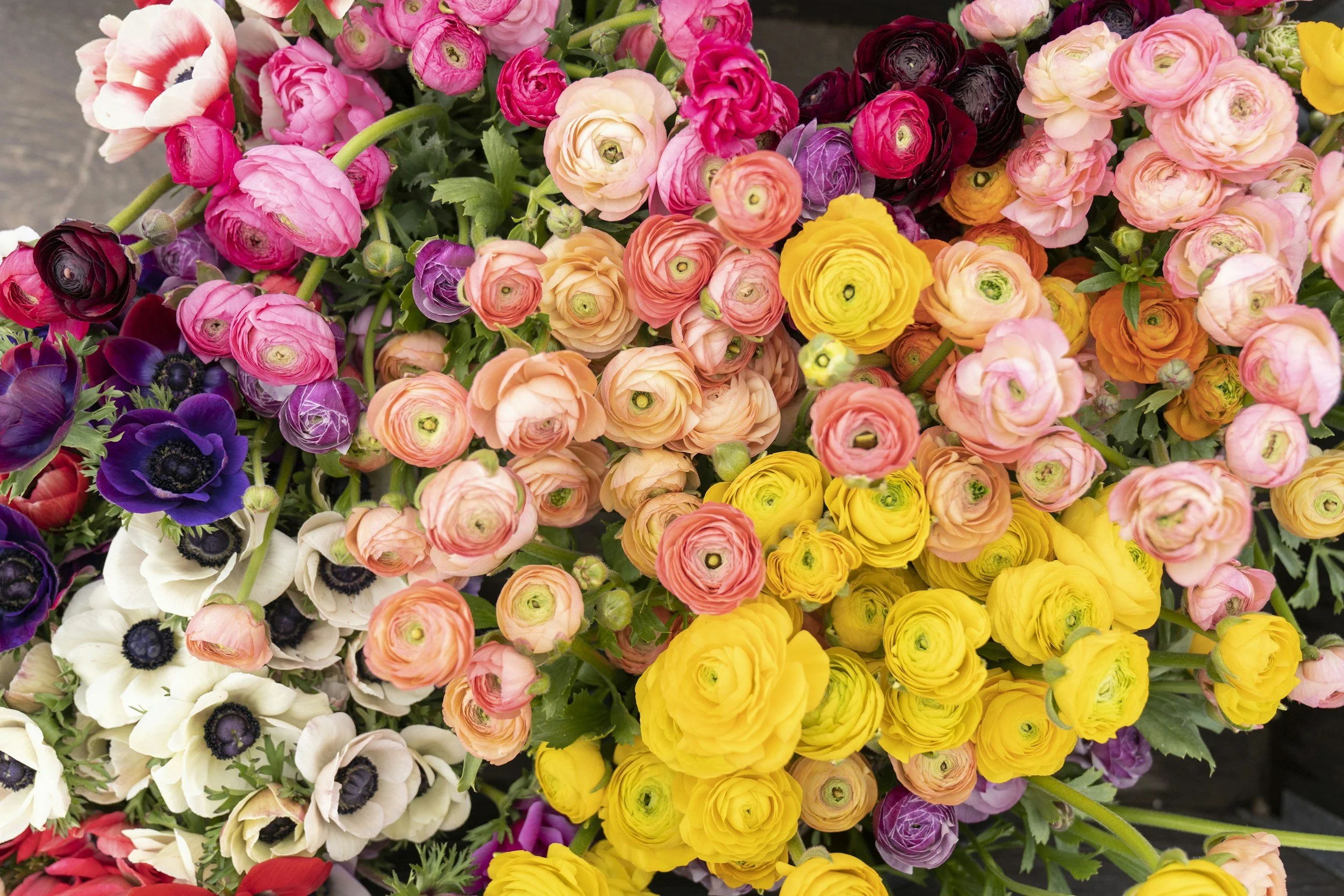
Italian Ranunculus and Anemones
Common early spring flowers:
Tulips
Daffodils
Ranunculus
Anemones
Hellebores
These blooms love cool temperatures and often fade once summer heat arrives.
Late Spring to Early Summer (May–June)
This is when the fields begin to fill in and variety explodes.
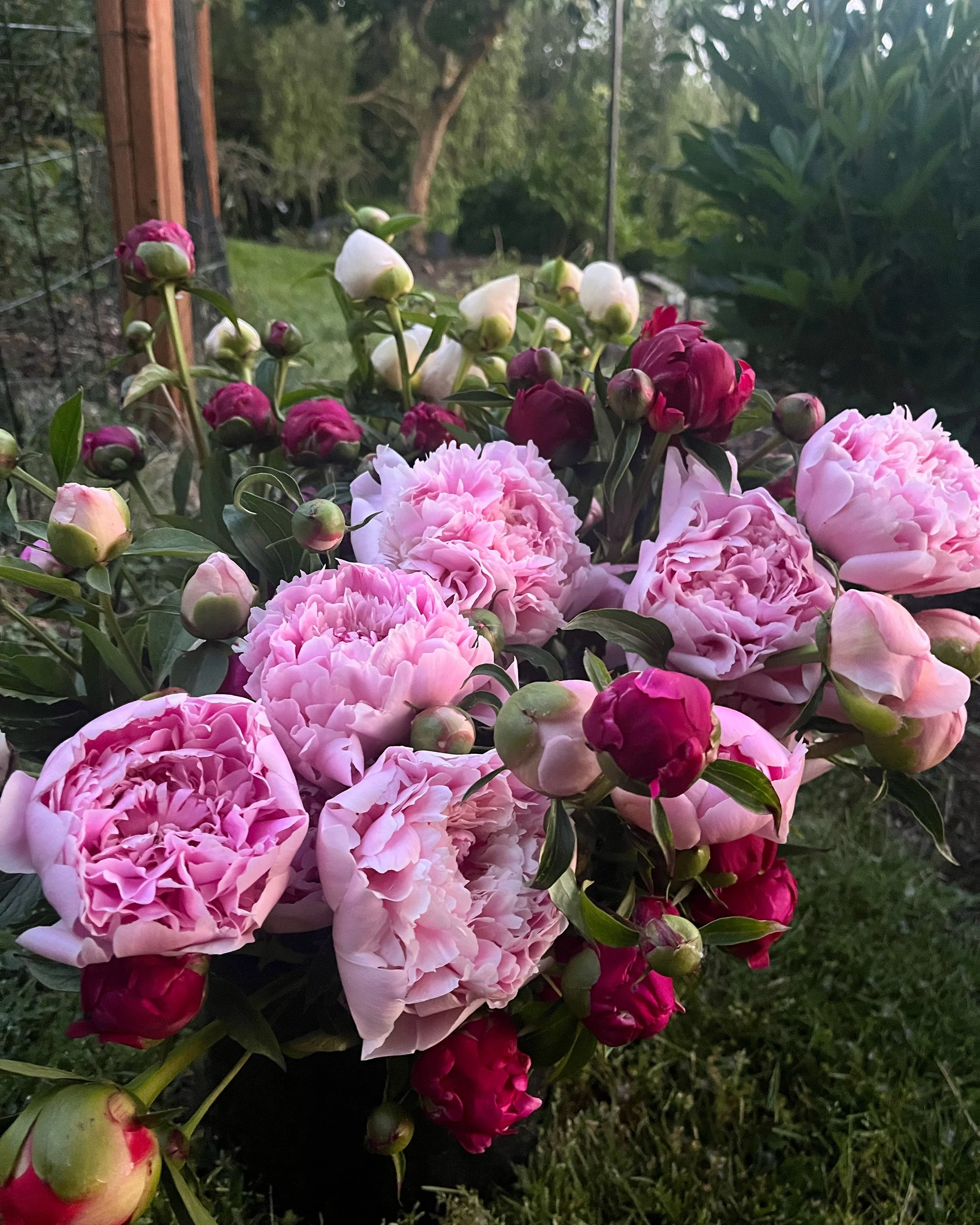
Peonies
Popular PNW late spring flowers:
Peonies
Larkspur
Campanula
Foxglove
Scabiosa
Garden Roses
This season is short but magical—many of these flowers are only available for a few weeks each year.
Summer (July–August)
Summer brings abundance, warmth, and the longest days of the year.

Lush Summer Blooms
Peak summer flowers include:
Zinnias
Cosmos
Snapdragons
Lisianthus
Sunflowers
Strawflower
These flowers love heat and thrive during long PNW days, offering bold colors and excellent vase life.
Late Summer to Fall (September–October)
As nights cool, fall favorites take center stage.
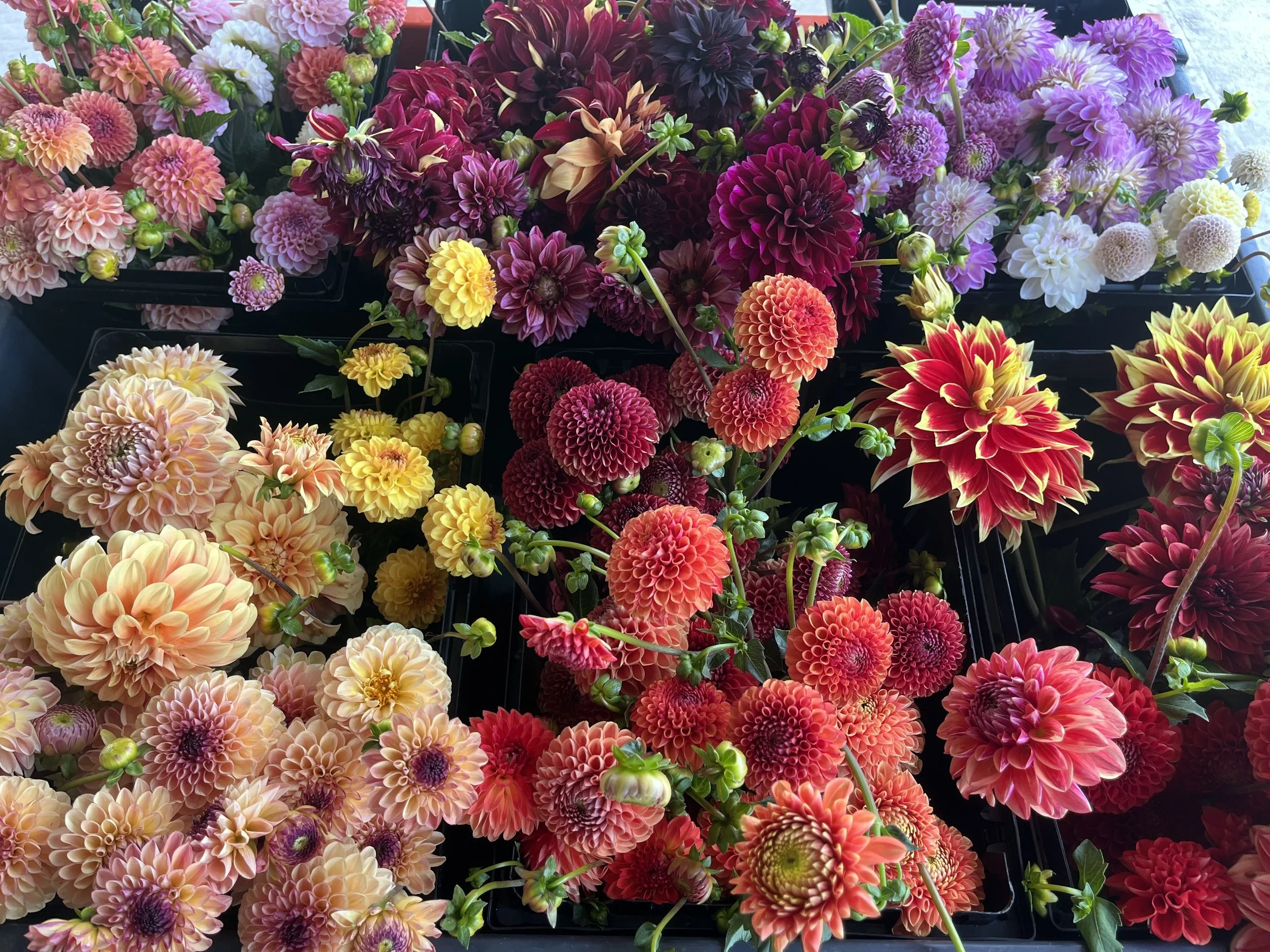
Dahlias
Fall seasonal flowers in the PNW:
Dahlias
Asters
Chrysanthemums
Rudbeckia
Celosia
Grasses and seed pods
Dahlias, in particular, are a hallmark of PNW flower farms and are only available until the first hard frost.
Winter (November–February)
Outdoor flower production slows dramatically during winter.
During this time, many local flower farms focus on:
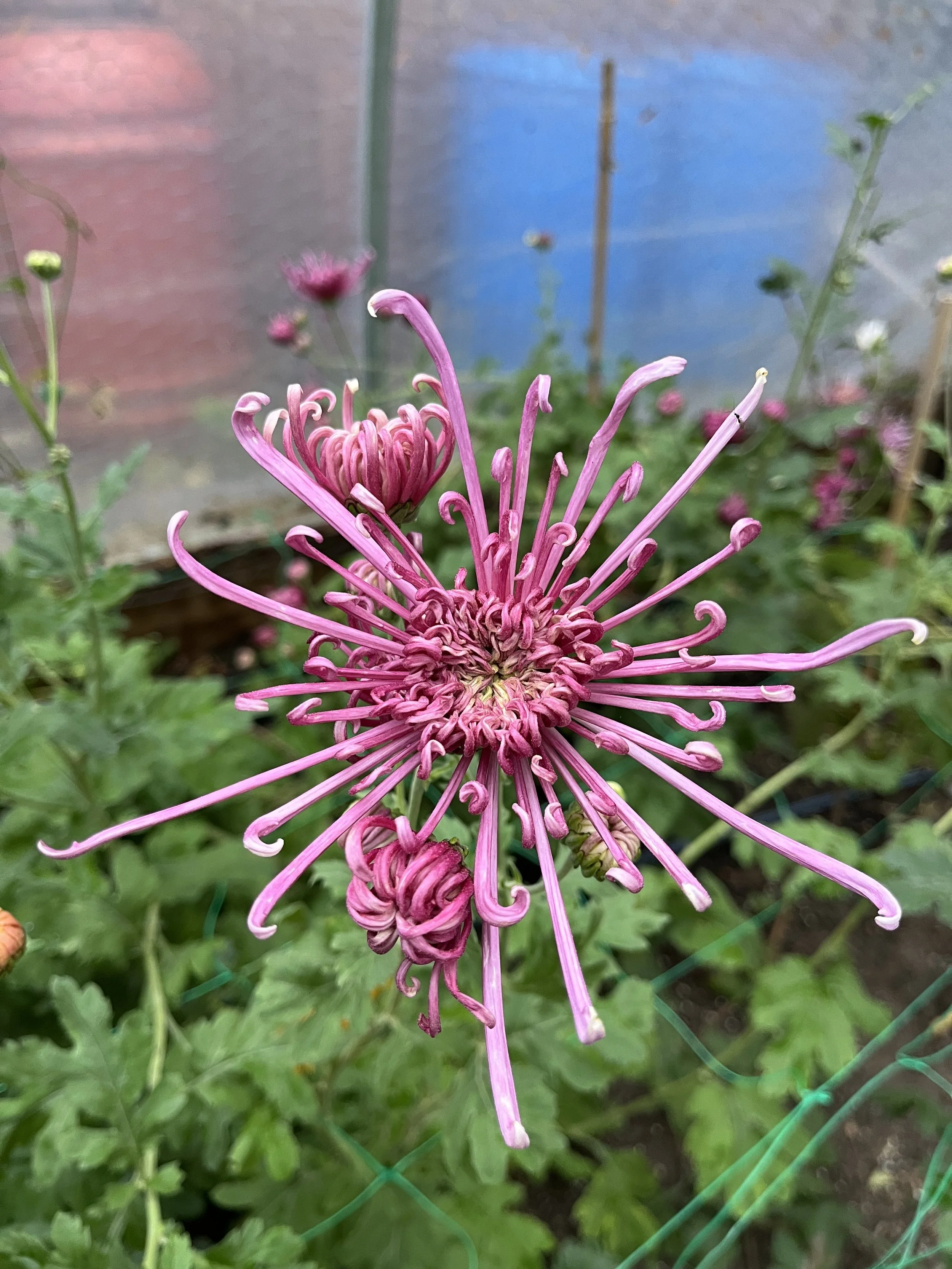
Spider Chysanthemum
Evergreens
Dried flowers
Branches (willow, dogwood)
Chrysanthemum
Planning and seed starting for spring
Fresh, delicate blooms are limited—and that’s okay. Winter is part of the natural rhythm.
Seasonal Flowers vs. Imported Flowers
Most grocery store flowers are:
Grown overseas
Harvested early
Shipped thousands of miles
Stored in cold warehouses
Seasonal, locally grown flowers are:
Cut at peak bloom
Conditioned immediately
In your hands within days—not weeks
This is why seasonal flowers last longer, smell better, and feel more alive.
What Seasonal Flowers Mean for Weddings & Events
For weddings and events in the Pacific Northwest, choosing seasonal flowers means:
Better value
Healthier and long lasting blooms
Designs that reflect the time of year
Lower carbon footprint.
Supports your local economy
Check out our DIY Buckets for your wedding and events

DIY Buckets